Expert Microblading: Elevate Your Features With Precision
Professional eyebrow tattooing has become a common method for obtaining sharp eyebrows. This technique involves the careful application of pigment to create fine, natural-looking strokes. Its precision allows for a tailored look that enhances individual facial features. However, many may wonder about the procedure, benefits, and possible misconceptions surrounding this semi-permanent improvement. Understanding these aspects can significantly influence one's decision to pursue this cosmetic procedure. What else should a potential customer think about?
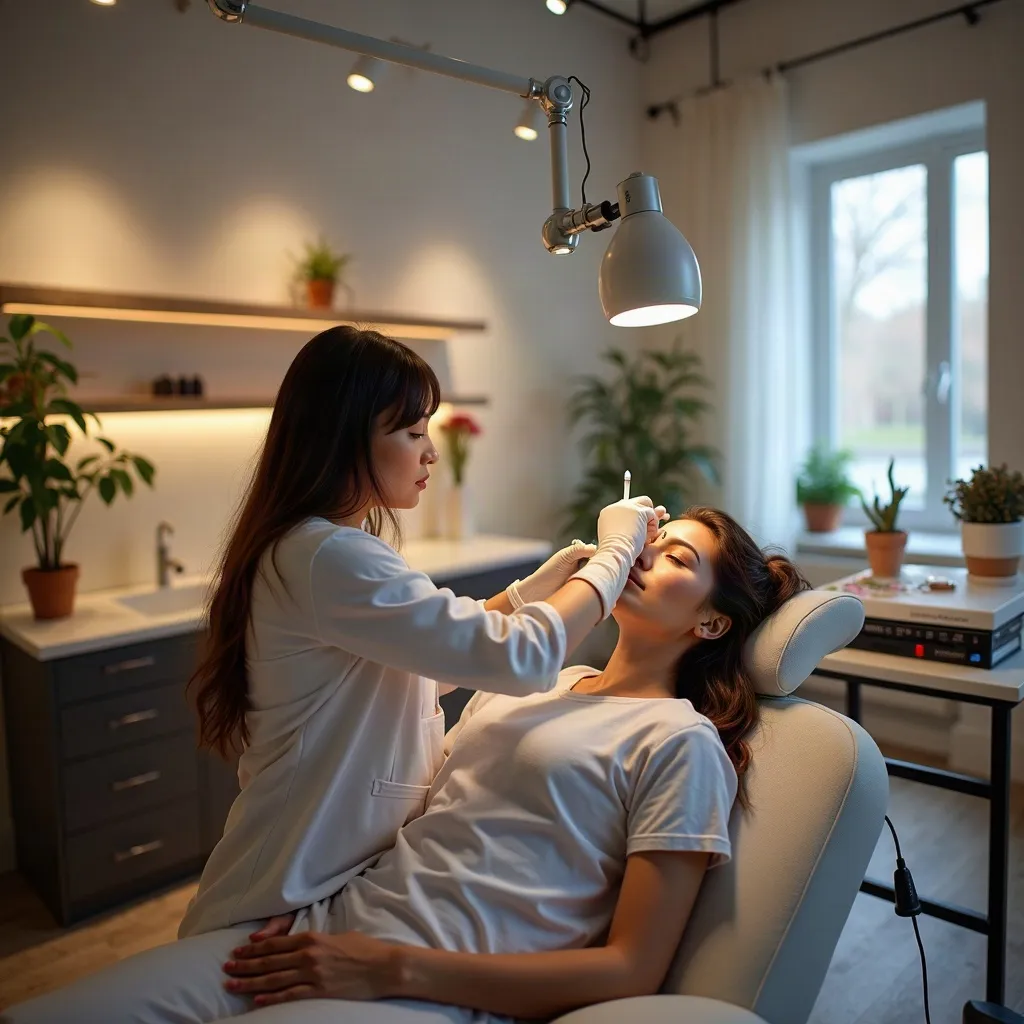
Learning About Professional Microblading: What It Means and How It Works
Microblading, a precision method in the cosmetic industry, involves the long-lasting betterment of eyebrows. This approach employs a handheld tool featuring fine needles to introduce pigment into the skin's upper layers, creating hair-like strokes that mimic natural eyebrow hairs. The process initiates with a complete consultation, where the technician assesses the client's facial structure and discusses desired outcomes.
After this, a numbing agent is applied to minimize discomfort during the procedure. The technician carefully maps out the ideal shape, ensuring symmetry and positioning with the client's facial structure. Once the pattern is approved, the microblading procedure begins, usually taking about two to three hours to finish. Aftercare is essential, as it requires detailed guidelines to promote recovery and preserve the integrity of the results. Over time, touch-ups may be needed to revitalize the appearance, ensuring that the brows stay sharp and radiant.
The Rewards of Deciding on Qualified Microblading
Going with professional microblading provides extensive gains, particularly for those pursuing a elegant and natural look. One considerable asset is the knowledge of trained technicians who possess an in-depth awareness of facial symmetry and skin types. This professional judgment confirms that the brows are not only aesthetically pleasing but also tailored to highlight individual features.
Additionally, trained professionals make use of superior pigments and tools, lowering the danger of adverse reactions or poor results. They likewise maintain strict hygiene standards, establishing a protected space that decreases the risk of infection.
Additionally, skilled microblading services typically offers a consultation process, allowing clients to share their wishes and goals proficiently. This customized strategy establishes faith and fulfillment, as clients walk away with brows that complement their style and amplify their beauty. Ultimately, selecting professional microblading can produce long-lasting results that appreciably enhance one's appearance and confidence.
Preparing for Your Microblading Appointment
Preparing for a microblading procedure requires several crucial steps to ensure optimal results. First, clients should schedule a meeting with their microblading artist to discuss desired outcomes, brow shape, and color choices. This initial meeting allows for read the full story a comprehensive understanding of individual needs and expectations.
In the period before the appointment, it is recommended to avoid blood-thinning products such as alcohol, caffeine, and certain medications, which can impact healing. Additionally, clients should avoid waxing or tinting their brows to ensure a clean canvas for the artist.
During the day of the session, showing up with clean skin, absent of makeup, is necessary. This permits the artist to assess the natural brow shape precisely. Clients should also mention any allergies or skin sensitivities to ensure the safest and most effective treatment. Good preparation ultimately improves the overall microblading experience.
Post-Care Pointers for Looking after Your Microbladed Brows
Post-care is critical for upholding the integrity of microbladed brows. Clients should limit water splash, use gentle cleansers, and apply therapeutic salve as recommended. These steps help guarantee ideal healing and lasting effects of the results.
Minimize Water Exposure
While microbladed brows can enhance one's appearance, preserving their condition requires careful attention to aftercare, particularly when it comes to water exposure. Water can interfere with the recovery, potentially leading to the pigment to fade prematurely or resulting in infection. For at least two weeks post-procedure, it is essential for individuals to avoid submerging their brows in water, whether through swimming, saunas, or excessive sweating. Showering should be approached with caution; using a shower cap can help protect the area. Even washing the face should be done with care, ensuring that water does not directly hit the brow region. By following these guidelines, clients can maintain the longevity and vibrancy of their microbladed brows.
Use Gentle Cleaning Agents
After confirming brows are shielded against water exposure, the next step in caring for microbladed brows involves the selection of cleansers. It is crucial to select mild, non-irritating cleansers to avoid irritating the delicate skin surrounding the brows. Strong products or scrubbing agents can disrupt the healing process and lead to fading or uneven results. A gentle, unscented cleanser helps in successfully eliminating impurities without compromising the integrity of the microbladed area. Users should use the cleanser using a soft cloth, avoiding any harsh rubbing. This mindful technique ensures that the brows remain clean while supporting ideal healing. Continuing this routine helps protect the precision and beauty of the microbladed brows over time.
Rub Therapeutic Ointment
Using a healing balm is key for the healing of microbladed brows. This ointment functions as a protective barrier, aiding healing and minimizing the risk of infection. Experts typically recommend that the ointment be applied gently with clean fingertips, making sure to apply it evenly without over-saturation. It is important to adhere to the artist's specific instructions on the frequency and amount of application. A thin layer usually suffices, since too much product can cause clogged pores and slow down healing. Clients should refrain from touching their brows and avoid makeup or other skincare products in the area during healing. Proper care enhances the longevity and look of the microbladed brows, ensuring that clients get their desired appearance.
Dispelling Ordinary Misconceptions About Microblading
Within the realm of microblading, various misconceptions abound that can mislead prospective clients. Widespread notions suggest that the procedure is painful, results are irreversible, and it is only ideal for those with thin brows. Dispelling these myths is vital for a deeper understanding of what microblading truly encompasses.
Uncomfortable Microblading Procedure
Many prospective clients are reluctant to try microblading, fearing the pain associated with the procedure. However, this concern often stems from misconceptions. Professional microblading technicians typically use a topical anesthetic before beginning the process, significantly minimizing discomfort. While some individuals may undergo slight sensitivity, most indicate the sensation as comparable to light scratching rather than intense pain. The technique entails creating fine, hair-like strokes in the skin, which can be more tolerable than anticipated. Additionally, the skill of the artist plays an essential role in ensuring a pleasant experience. Overall, the perception of pain can vary, but many clients discover the results far exceed any temporary discomfort, dispelling the myth that microblading is an overwhelmingly painful procedure.
Findings Become Permanent
One common fallacy regarding microblading is that the outcomes are permanent. Actually, microblading involves applying a semi-permanent dye to the skin, which usually fades over a period. Factors like skin type, sunlight exposure, and aftercare can affect the longevity of the effects. Typically, microblading results last from one to three years before touch-ups become necessary. This semi-permanent feature allows individuals to modify their brow shape and color as trends or personal preferences shift. Grasping this point is vital for potential clients, as it eases concerns about long-term commitment. By dispelling the permanence myth, clients are empowered to make well-informed choices about their beauty treatments without fear of permanent results.
Only For Thin Brows
The belief that microblading is only fitting for those with thin brows is a prevalent myth. In truth, microblading can assist a variety of brow types, from sparse to bushy. This procedure is engineered to generate authentic hair strokes, making it versatile for anyone wanting to enhance their brows. Clients with thicker brows can achieve a more defined shape, while those with thinner brows can complete gaps, producing a fuller appearance. Moreover, microblading can help balance asymmetrical brows, regardless of their initial thickness. Ultimately, the treatment is bespoke, allowing professionals to accommodate each client's distinctive brow needs, dispelling the myth that it is exclusively for those with thin eyebrows.
Finding a Certified Microblading Expert
How can one secure a satisfying and secure microblading experience? The selection of a qualified microblading professional plays an important role. A qualified artist not only has the required skills but also adheres to health and safety guidelines. To confirm competency, clients should confirm that the artist has undergone thorough training and obtained certification from a trusted institution.
Additionally, assessing the artist's portfolio is vital; this demonstrates their previous work and distinctive aesthetic. Reviews and feedback from previous clients can shed light on the artist's professionalism and customer satisfaction.
Additionally, a appointment is advisable, enabling prospective clients to ask questions and assess the artist's knowledge and technique. Communication is essential; a skilled artist will hear out client desires while offering expert direction. Ultimately, dedicating effort in selecting a certified microblading artist can lead to an improved and satisfying beauty experience.
Commonly Asked Questions
What constitutes the Usual Length of a Microblading Procedure?
The microblading process normally takes around 2-3 hours from beginning to end. This duration includes consultation, brow sculpting, and the microblading application process, providing a detailed and personalized approach to achieve the desired results.
Can Microblading Right for Every Skin Type?
Microblading may not be ideal for every skin condition. Oily skin might see faster fading, whereas sensitive or problematic skin can cause issues. A meeting with a professional is vital to determine individual suitability.
Is it Possible to Have Microblading Performed When Expecting?
Microblading is commonly not suggested during pregnancy because of hormonal shifts and heightened skin irritability. Moreover, possible hazards from anesthetics and infection may create safety concerns for both the mother and the developing fetus.
Ways to Prepare by Avoiding These Items Before Microblading Visit?
Prior to your microblading procedure, you should eliminate blood thinners, alcohol, caffeine, and certain medications. It's also wise to avoid excessive sun exposure and to make certain skin is clean and well-moisturized for ideal results.
When Should I Schedule My Next Touch-Ups?
Touch-ups are generally advised every 6 to 12 months, according to skin type and living situation. Routine upkeep contributes to preserve the visual quality and lifespan of microbladed brows, guaranteeing they continue to be fresh and crisp over time.